
Combatant Craft · Platform Architecture
Combatant Craft Mission Systems Integration
Between the requirement and the waterline
The craft is the system. MTAG aligns platform infrastructure, sensing, networks, C2, operator access, and sustainment around the mission rather than treating each addition as a separate install.
The integration boundary
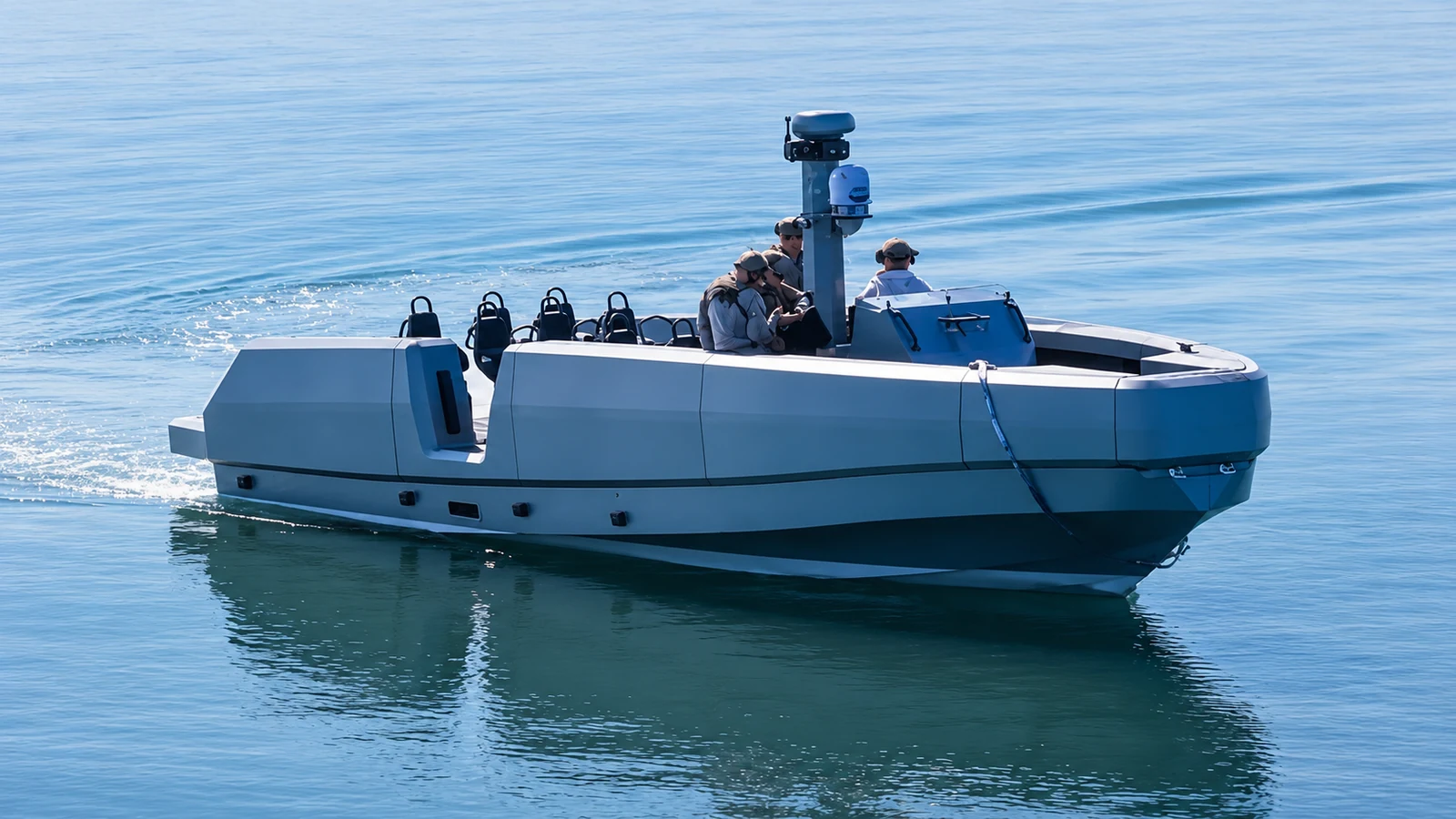
The craft is more than a host platform.
Modern combatant craft carry navigation, communications, sensing, edge processing, and C2 equipment that all compete for space, power, data paths, operator attention, and maintenance access. Treating those systems independently creates a boat full of equipment without creating a coherent mission capability.
MTAG works at the craft-level boundary: translating an operational requirement into a fieldable configuration while keeping platform constraints, operator workflow, commissioning, documentation, and follow-on support in the same decision set.
Why craft-level integration matters
Three problems a component-level approach does not solve.
01 · Growth
Legacy + New Systems
New capability has to coexist with the platform already in service. Integration decisions affect the entire installed baseline, not only the equipment being added.
02 · Operations
Operator Workload
A technically functional system can still fail operationally if information, controls, and fault indications do not make sense to the crew using them underway.
03 · Sustainment
What Happens Next
Fielding is not the finish line. Documentation, diagnostics, maintenance access, configuration control, and future modification determine whether the capability remains useful.
Operational requirements carried into platform decisions.
MTAG’s public systems-integration record includes documented field-to-fleet combat-craft design input and later Navy program, acquisition, and platform-integration work. The deeper supporting record is released only when appropriate to a qualified customer or program stakeholder.
Public page: capability, context, and releasable outcomes only. Customer configurations, proprietary engineering methods, interface detail, and protected technical data are not published here.
Follow the integration stack.
Combatant-craft integration sits above the electrical/network infrastructure, ISR payloads, tactical C2, and field sustainment that make the craft operationally useful.