

EO/IR · Thermal · Maritime ISR
Maritime EO/IR & Thermal Imaging Integration
Between the requirement and the waterline
The camera is only one part of the capability. MTAG integrates EO/IR and thermal sensing around the craft, the operator, the network, and the mission it is intended to support.
Sensor to platform
A good sensor can still be poorly integrated.
Maritime EO/IR performance is shaped by where the payload lives on the craft, how it is powered and connected, what the operator can actually see and control, and whether the output can move into the wider mission-system environment when required.
MTAG approaches thermal and electro-optical fielding as a platform-integration problem. The objective is not simply to power the payload on the pier; it is to make the sensing capability usable, supportable, and aligned with the way the crew operates the craft.
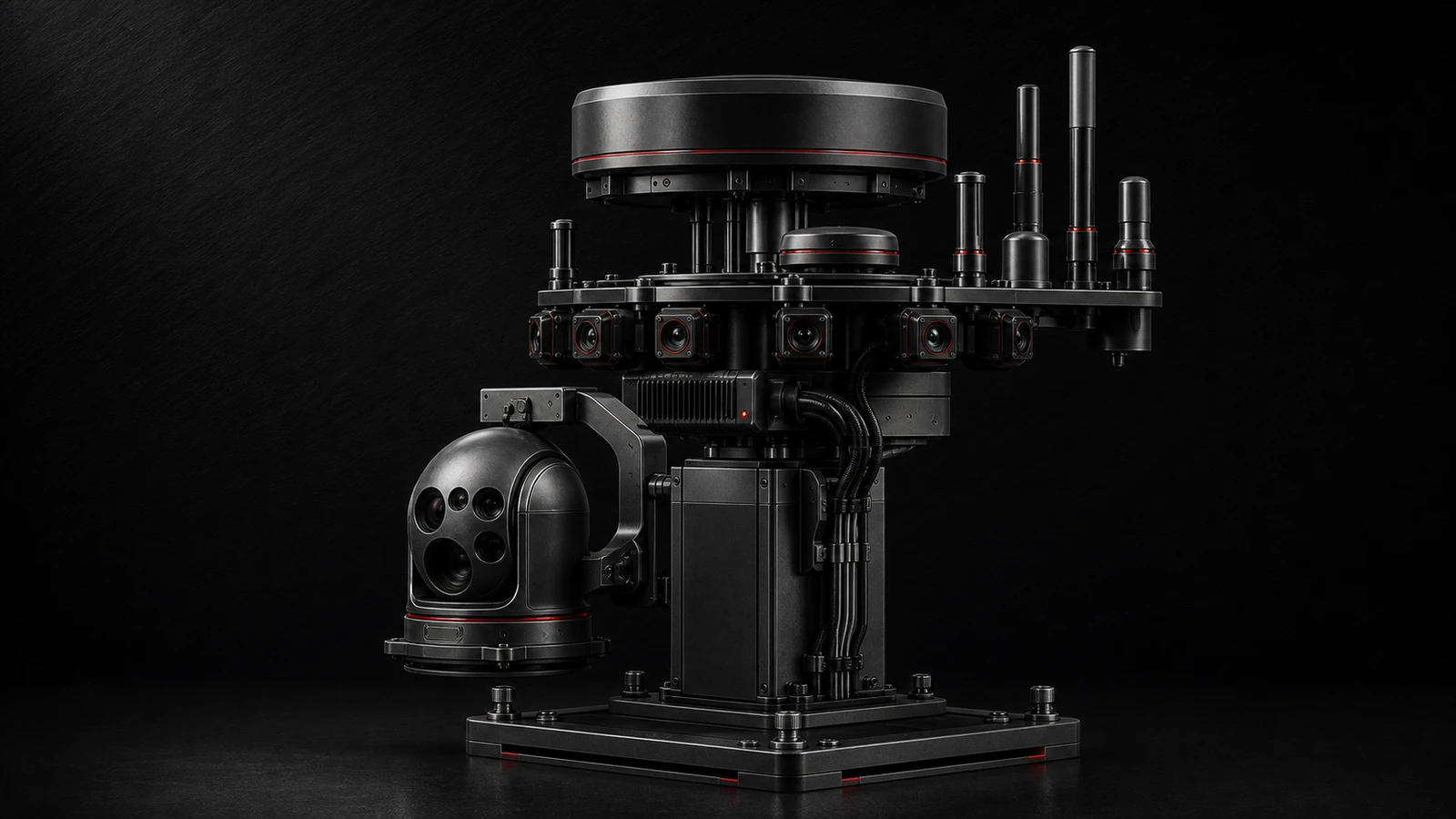
Payload placement, operating environment, craft geometry, and installation constraints considered together.
Sensor interfaces evaluated in the context of the craft’s electrical and network architecture.
Controls, display access, and information flow remain tied to the crew and the mission.
Where required, sensor output is considered as part of a larger TAK, NEOS, or C2 workflow rather than stopping at a local display.
Public record
Fleet integration experience.
MTAG’s existing public site states that the company has integrated every thermal imaging system aboard the USMC fleet since 2015. This page keeps that claim at the same public level and does not publish customer-specific sensor configurations, interface detail, or technical drawings.
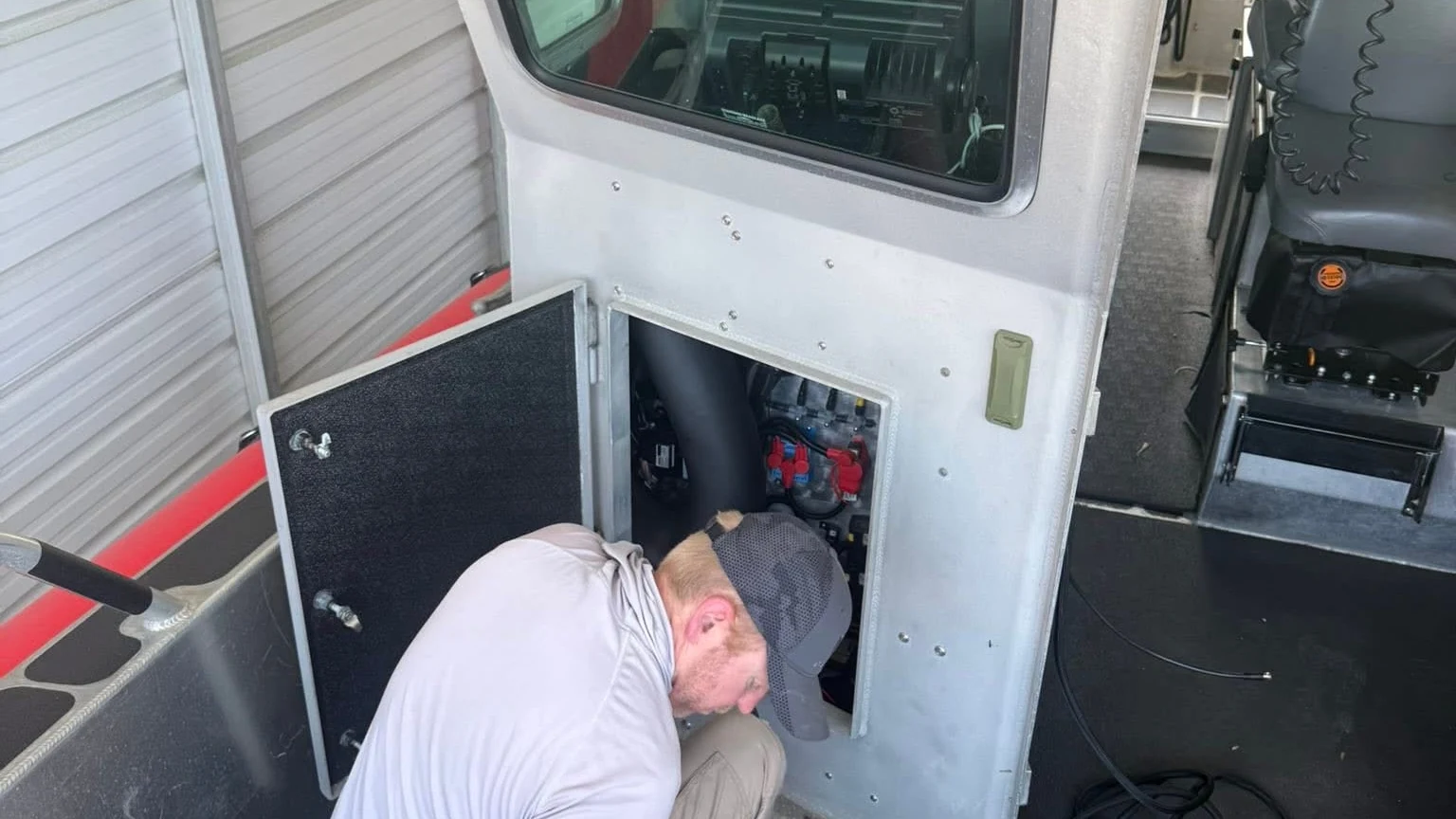
Open-site content is intentionally limited to capability and releasable experience. Sensor configurations, interface-control material, test data, and customer-specific integration records are not published here.
EO/IR is part of the ISR architecture.
See how sensing connects to networked ISR, tactical C2, and the underlying craft infrastructure.